
Weather in India 2026: Changing Climate, Extreme Weather and the Need for Preparedness
Explore India's weather patterns, heatwaves, monsoon rainfall, floods, cyclones and climate change, with practical weather safety tips for residents.
Environment News | Luxury News
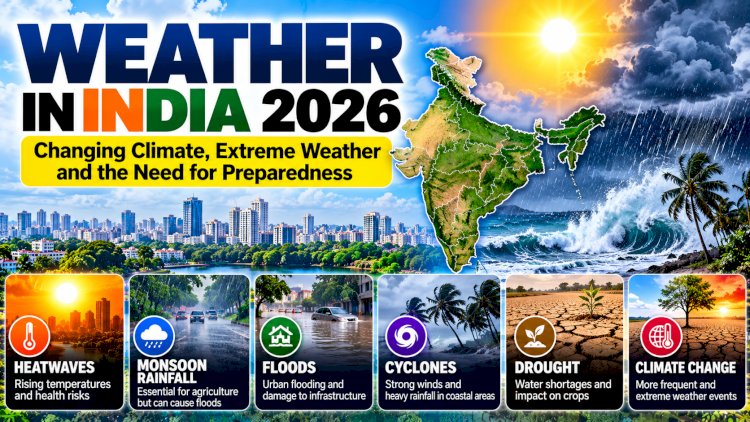
Weather plays an important role in India's economy, agriculture, public health and everyday life. From summer heatwaves and monsoon rainfall to winter cold waves and tropical cyclones, changing weather conditions affect millions of people across the country.
As India continues to experience rapid urbanisation and economic growth, understanding weather patterns and preparing for extreme weather events have become increasingly important.
Understanding India's Weather Patterns
India experiences several seasonal weather patterns influenced by the monsoon, regional geography, ocean conditions and atmospheric circulation.
The major seasonal periods include:
-
Summer: Many regions experience high temperatures, and some areas face heatwaves.
-
Southwest monsoon: Usually brings the main rainy season to much of India between June and September.
-
Post-monsoon season: Parts of southern and southeastern India can receive significant rainfall, particularly from October to December.
-
Winter: Northern regions may experience cold waves and fog, while southern India generally has milder conditions.
Actual conditions vary by state and year. Residents should follow local weather forecasts for current information.
Extreme Weather Events Are a Growing Concern
Extreme weather can disrupt transportation, agriculture, electricity supply, public services and businesses.
Some important weather-related risks in India include:
1. Heatwaves
Prolonged periods of unusually high temperatures can increase the risk of dehydration, heat exhaustion and heatstroke. Outdoor workers, older adults, children and people with certain health conditions may be particularly vulnerable.
Drinking sufficient water, avoiding strenuous outdoor activity during peak heat and following official heat advisories can help reduce risks.
2. Heavy Rainfall and Flooding
Intense rainfall can cause urban flooding, traffic disruption, damage to homes and businesses, and interruptions to essential services.
In cities such as Bengaluru, heavy rain can expose drainage problems and affect commuters. Avoid walking or driving through floodwater, and follow local authority instructions during severe weather.
3. Cyclones and Strong Winds
Coastal regions can face cyclones, strong winds, storm surges and heavy rainfall. These events can damage buildings, power lines, roads and agricultural land.
People in affected areas should follow warnings from the India Meteorological Department and local disaster management authorities.
4. Drought and Water Shortages
Insufficient rainfall can reduce water availability, affect crops and increase pressure on reservoirs and groundwater resources.
Water conservation, efficient irrigation and improved rainwater management can help communities prepare for periods of low rainfall.
Climate Change and Weather in India
Climate change is influencing the risks associated with many types of extreme weather. Rising global temperatures increase the likelihood and intensity of heat extremes, while changes in rainfall patterns can create additional challenges for water management and agriculture.
However, individual weather events are influenced by multiple factors. Scientific attribution studies are needed to assess how climate change affected a specific event.
Reducing greenhouse gas emissions and improving adaptation measures are both important for managing long-term climate risks.
How Weather Affects Agriculture and Business
Weather conditions have a direct effect on India's agricultural sector. Rainfall timing, temperature, soil moisture and water availability influence crop growth and farm income.
Businesses can also be affected by severe weather through transport delays, supply-chain interruptions, higher cooling costs and damage to infrastructure.
Farmers and businesses can improve preparedness by monitoring forecasts, planning around seasonal risks, protecting essential equipment and maintaining contingency plans.
Bengaluru Weather Preparedness
Bengaluru's weather can change considerably between dry periods and intense rainfall events. Heavy rain may affect roads, low-lying areas, public transport and residential neighbourhoods.
Residents can prepare by:
-
Checking forecasts and rainfall alerts before travelling.
-
Keeping drains and surrounding areas free from waste.
-
Avoiding flooded roads and underpasses.
-
Securing loose outdoor objects during strong winds.
-
Keeping emergency contacts and essential supplies available.
-
Reporting dangerous flooding or fallen trees to the relevant authorities.
For current Bengaluru forecasts and warnings, consult the India Meteorological Department rather than relying on general seasonal descriptions.
How to Stay Safe During Severe Weather
A few practical steps can help households and communities manage weather risks:
-
Follow official weather alerts and emergency instructions.
-
Keep drinking water, essential medicines and a charged phone available.
-
Avoid exposed areas during lightning and thunderstorms.
-
Stay away from fallen electrical wires and flooded streets.
-
Protect vulnerable family members during extreme heat or cold.
-
Follow evacuation instructions when authorities issue them.
Preparedness is most effective when residents understand the risks specific to their area.
The Importance of Reliable Weather Information
Accurate weather forecasts help people plan travel, agricultural activities, outdoor work and emergency responses. The India Meteorological Department (IMD) provides forecasts, warnings and meteorological updates for different parts of the country.
Readers can visit the official IMD website at https://mausam.imd.gov.in/ for current forecasts and weather alerts.
Conclusion
Weather affects every part of life in India, from agriculture and business to public health and transportation. As extreme weather risks and climate concerns receive greater attention, access to reliable forecasts and practical preparedness measures is increasingly important.
By following official warnings, protecting natural resources and improving local infrastructure, communities can reduce weather-related risks and build greater resilience.
Stay connected with Luxury News for weather updates, environmental news, climate developments and public safety information.