Electric Vehicles (EVs): How the Future of Mobility Is Changing
Learn how electric vehicles work, their benefits and challenges, EV types, charging requirements and what buyers should consider before purchasing an EV.
Business & Automobile Desk | Luxury News
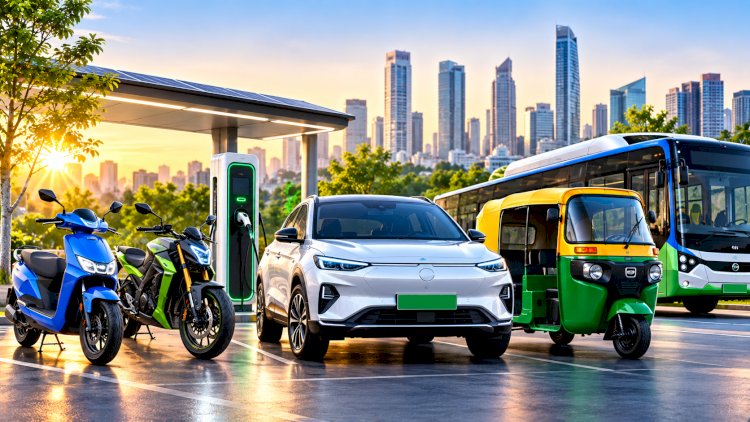
Electric vehicles (EVs) are becoming an increasingly important part of the automobile industry. From electric scooters and motorcycles to cars, buses and commercial vehicles, manufacturers are developing new electric models for different types of customers.
Unlike conventional vehicles that use petrol or diesel engines, EVs primarily use electric motors powered by rechargeable batteries.
What Is an Electric Vehicle?
An electric vehicle uses electricity as its main source of propulsion. The electricity is stored in a battery pack, which supplies power to an electric motor.
EVs can be charged using home charging equipment, public charging stations and other compatible charging infrastructure.
Types of Electric Vehicles
1. Electric Two-Wheelers
Electric scooters and motorcycles are becoming popular for urban transportation. They can be suitable for daily commuting and short-distance travel.
2. Electric Cars
Electric cars are available in different segments, from compact city vehicles to premium models and SUVs.
3. Electric Buses
Electric buses are being introduced for public transportation and fleet operations, particularly in urban areas.
4. Electric Commercial Vehicles
Electric three-wheelers, vans and other commercial vehicles are also being developed for delivery, logistics and passenger transportation.
How Do EVs Work?
The basic operation of an EV is relatively simple:
Battery → Inverter/Power Electronics → Electric Motor → Wheels
When the vehicle is charged, electrical energy is stored in the battery. During driving, the battery supplies electricity to the motor, which converts the electrical energy into mechanical power.
Many EVs also use regenerative braking, which can recover some energy during deceleration and return it to the battery.
Benefits of Electric Vehicles
Lower Running Costs
Electric motors are generally efficient, and EV owners may spend less on energy for each kilometre compared with conventional fuel vehicles, depending on electricity and fuel prices and vehicle efficiency.
Reduced Tailpipe Emissions
Battery-electric vehicles do not produce tailpipe exhaust emissions while driving. However, the overall environmental impact also depends on how the electricity used for charging is generated and on battery manufacturing.
Less Routine Maintenance
EVs have fewer moving components in their powertrains than conventional internal-combustion vehicles. They do not require engine oil changes, for example.
Quiet Driving
Electric motors generally operate more quietly than conventional engines, particularly at lower speeds.
Challenges for EV Owners
EV adoption also comes with practical considerations.
Charging Infrastructure
Access to convenient charging can be an important factor, particularly for people who do not have a dedicated parking space.
Charging Time
Charging an EV can take longer than refuelling a conventional vehicle. Charging speed depends on the vehicle, battery, charger and available electrical capacity.
Purchase Price
Some EVs can have a higher initial purchase price than comparable conventional vehicles, although the total ownership cost depends on factors such as energy consumption, maintenance, financing and usage.
Battery Life
The battery is one of the most important and expensive components of an EV. Battery performance can change over time depending on usage, temperature, charging practices and other factors.
EVs and the Indian Automobile Market
India's automobile market includes electric scooters, motorcycles, cars, three-wheelers, buses and commercial vehicles.
Electric two-wheelers are particularly relevant to urban mobility because many daily trips are relatively short and predictable. Fleet operators and delivery businesses are also exploring EVs as part of their transportation strategies.
The development of charging infrastructure, battery technology and vehicle choices will continue to influence the growth of electric mobility.
What Should Buyers Check Before Buying an EV?
Before purchasing an electric vehicle, customers should consider:
- Real-world driving range
- Battery capacity and warranty
- Charging time
- Home charging availability
- Public charging network
- Service and maintenance facilities
- Insurance costs
- Replacement battery terms
- Vehicle resale value
- Total ownership cost
- Manufacturer support
The Future of Electric Mobility
The automobile industry is moving towards a wider mix of technologies, including battery-electric vehicles, hybrids and other alternative powertrains.
As battery technology, charging infrastructure and vehicle technology develop, EVs are expected to remain an important part of the changing mobility landscape.
For consumers, the right vehicle ultimately depends on their daily distance, charging access, budget, driving requirements and ownership plans.