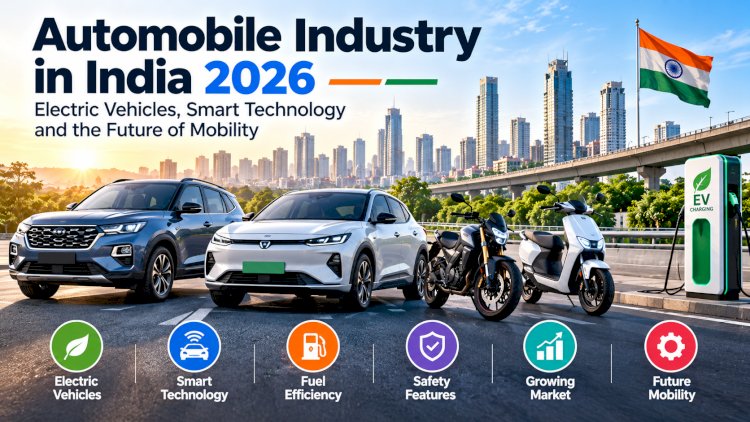
Automobile Industry in India 2026: Electric Vehicles, Smart Technology and the Future of Mobility
Explore India's automobile industry in 2026, including electric vehicles, SUVs, hybrid cars, two-wheelers, vehicle safety, used vehicles and buying tips.
Automobile News | Luxury News | October 2026
India's automobile industry is undergoing a significant transformation as manufacturers introduce new technologies, electric vehicles gain attention and consumers look for safer, more fuel-efficient and affordable transportation. From two-wheelers and passenger cars to electric scooters, SUVs and commercial vehicles, the industry is adapting to changing customer preferences and environmental concerns.
Technology, vehicle financing, fuel prices, government policies and charging infrastructure are among the factors influencing purchasing decisions. For buyers, understanding these developments can help them choose vehicles that suit their budgets and daily needs.
1. Electric Vehicles Are Changing the Automobile Market
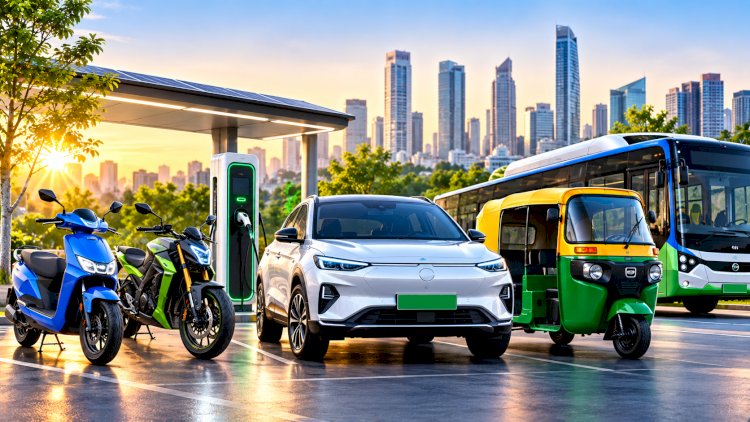
Electric vehicles (EVs) are becoming an important part of India's mobility landscape. Electric scooters, motorcycles, cars and commercial vehicles offer alternatives to conventional petrol and diesel vehicles.
Potential advantages include lower energy costs per kilometre, fewer routine engine-related maintenance requirements and no tailpipe emissions during operation.
However, EV ownership also depends on battery performance, purchase price, charging access, electricity costs and the availability of service facilities.
Before purchasing an electric vehicle, buyers should compare the manufacturer's claimed range with their daily travel requirements and consider battery warranty, charging time and resale value.
2. SUVs and Feature-Rich Cars Attract Buyers
Sport utility vehicles (SUVs) remain an important segment of the passenger vehicle market. Buyers often consider ground clearance, cabin space, safety equipment, road presence and luggage capacity when selecting an SUV.
Manufacturers are also offering more technology features across different price segments, including touchscreen infotainment systems, connected-car functions, parking cameras and driver-assistance features on selected models.
Consumers should distinguish between useful safety equipment and features that primarily improve convenience. Crash-test performance, braking systems, airbags and the availability of service support deserve careful attention.
3. Two-Wheelers Continue to Be Important for Indian Mobility
Motorcycles and scooters remain practical transport options for many Indian households because of their flexibility in traffic and comparatively accessible purchase prices.
Buyers choose two-wheelers for commuting, education, business deliveries and personal travel. Electric scooters are also creating additional choices for urban commuters.
When purchasing a motorcycle or scooter, consumers should compare:
-
Fuel efficiency or electricity consumption.
-
Purchase price and financing costs.
-
Insurance and registration expenses.
-
Service availability and spare-part prices.
-
Comfort, braking performance and safety equipment.
-
Expected resale value.
For used two-wheelers, checking the registration certificate, ownership history, outstanding loans, insurance, service records and vehicle condition is especially important.
4. Hybrid Vehicles Offer Another Alternative
Hybrid vehicles combine an internal combustion engine with an electric motor. Depending on the system, the vehicle can use energy recovered during braking and may operate electrically in certain driving conditions.
Hybrid technology can reduce fuel consumption in some circumstances, particularly in stop-and-go traffic, but performance varies by vehicle type and driving pattern.
Buyers should compare the total ownership cost of hybrid, petrol, diesel and electric models rather than assuming one technology is always the most economical.
5. Automobile Technology Is Becoming Smarter
Modern vehicles increasingly include digital displays, connected services, advanced sensors and driver-assistance systems.
Some models offer features such as adaptive cruise control, lane-departure warnings, automatic emergency braking and blind-spot monitoring. Availability varies by model and variant, and these systems do not replace attentive driving.
Software updates and connected features can improve the ownership experience, but buyers should understand privacy settings, subscription requirements and the long-term availability of manufacturer support.
6. Automobile Safety Is a Key Buying Consideration
Vehicle safety is an essential factor for both new and used vehicle buyers.
Consumers should check the safety equipment included in the exact variant, including airbags, anti-lock braking systems and electronic stability control where available. They should also review reliable crash-test assessments when available.
For two-wheelers, wearing a properly fitted certified helmet, maintaining tyres and brakes, and following traffic rules remain crucial.
Regular servicing and timely repairs can also help prevent avoidable breakdowns and safety problems.
7. Used-Car and Used-Bike Markets Offer Opportunities
The pre-owned vehicle market gives consumers access to vehicles at different price points. Buyers may find used cars, motorcycles and scooters that meet their requirements without paying the price of a new vehicle.
However, an attractive price does not necessarily mean a good deal. A vehicle with poor maintenance, accident damage or unresolved legal issues can create substantial future expenses.
Before buying a used vehicle, check:
-
Registration and ownership documents.
-
Insurance validity and claim history where available.
-
Outstanding finance or hypothecation status.
-
Service records and odometer consistency.
-
Engine, battery, tyres, brakes and suspension condition.
-
Applicable emission and fitness requirements.
-
Transfer-of-ownership procedures and pending challans.
An independent inspection can help identify mechanical problems before the purchase is finalised.
8. Automobile Financing and Ownership Costs
Vehicle financing allows customers to spread the purchase cost over a repayment period, but the total cost can be higher than the advertised price.
Buyers should compare interest rates, down-payment requirements, loan tenure, processing fees and foreclosure conditions where applicable.
The complete ownership budget should also include fuel or charging expenses, insurance, servicing, tyres, parking and repairs.
Choosing a vehicle that fits a household's monthly budget can reduce financial pressure over the long term.
9. Challenges Facing India's Automobile Industry
Despite growth opportunities, manufacturers and buyers face several challenges.
These include fluctuating raw-material costs, intense competition, changing emission requirements, battery supply considerations, charging infrastructure gaps and affordability concerns.
Manufacturers must balance innovation with reliability and price. Consumers, meanwhile, need transparent product information and dependable after-sales service.
The transition to cleaner mobility also requires coordination among vehicle manufacturers, energy providers, governments and charging-network operators.
10. What to Watch in India's Automobile Sector
Important developments to watch include new vehicle launches, electric mobility adoption, battery technology, vehicle safety standards, financing conditions and improvements in charging infrastructure.
The used-vehicle market is also worth watching as consumers seek affordable mobility and businesses look for reliable transport options.
Buyers should follow official manufacturer announcements and regulatory updates instead of relying on unverified claims about launch dates, discounts or government subsidies.
Conclusion
India's automobile industry is moving towards a more technology-driven and diverse mobility future. Electric vehicles, hybrid systems, connected-car features and improvements in safety are expanding consumer choices, while petrol and diesel vehicles continue to serve many transportation needs.
The best vehicle is not necessarily the newest or most expensive model. It is the one that matches the buyer's budget, travel requirements, safety expectations and long-term ownership plans.
Stay connected with Luxury News for automobile news, vehicle launches, electric mobility updates, buying guides and developments in India's automotive industry.