Education in India: Key Changes and Emerging Trends Students Should Watch
Explore emerging education trends in India, including digital learning, AI in education, practical skills, vocational training, career preparation and online safety.

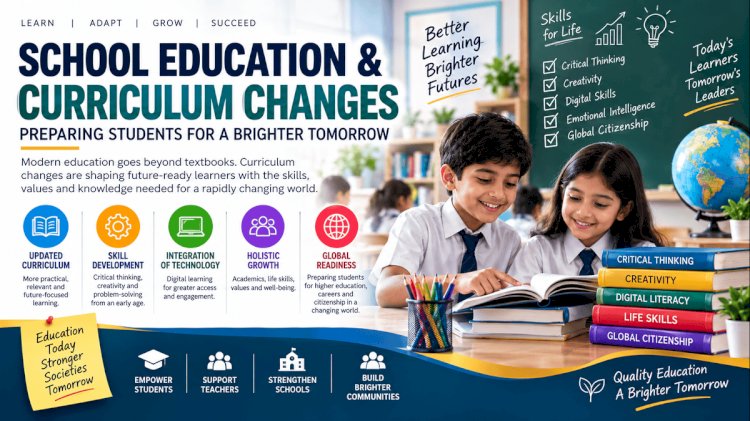
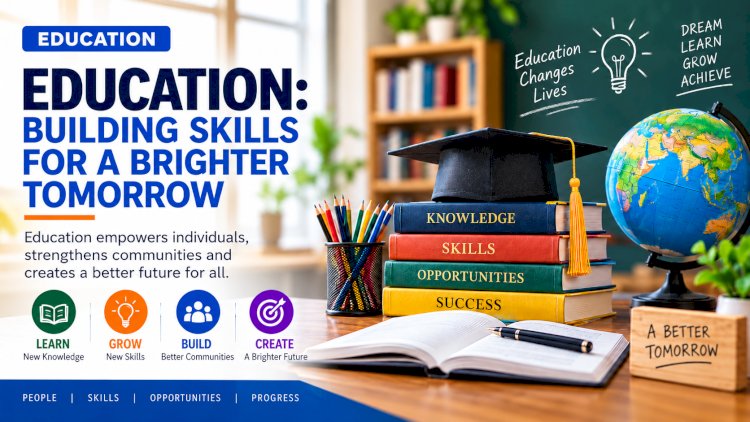
New developments in education are increasingly focusing on digital learning, practical skills, technology, flexible learning pathways and stronger links between education and employment. Schools, colleges and training institutions are adapting to changing requirements as students prepare for a technology-driven economy.
Digital Learning Continues to Expand
Digital platforms are becoming an important part of education. Online classes, recorded lessons, digital libraries and learning applications allow students to access educational resources beyond the traditional classroom.
Schools are also increasingly using digital tools to support teachers with lesson planning, assessments and communication with parents.
Artificial Intelligence Enters Education
Artificial intelligence is becoming an important topic in education. Students are being introduced to AI-related concepts, while teachers and institutions are exploring how AI tools can support learning.
At the same time, schools and colleges need clear guidelines around responsible AI use, academic integrity, privacy and verification of information.
Greater Focus on Practical Skills
Education is increasingly moving beyond textbook-based learning. Communication, problem-solving, digital literacy, financial awareness, creativity and teamwork are becoming important components of career preparation.
Vocational education and skill-development programmes can also provide students with practical exposure to different industries.
Changing Learning Methods
Project-based learning, experiential activities, group work and technology-supported classrooms are gaining attention as alternatives or complements to traditional teaching methods.
These approaches can give students opportunities to apply concepts to practical situations rather than relying entirely on memorisation.
Career-Focused Education
Students are increasingly looking for courses and qualifications that connect education with employment opportunities.
Internships, industry exposure, vocational courses, professional certifications and career counselling can help students understand workplace expectations and make informed education choices.
Digital Citizenship and Online Safety
As students spend more time online, digital citizenship is becoming an important part of education.
Schools can help students understand:
- Online privacy
- Cybersecurity
- Responsible social-media use
- Identifying misinformation
- Digital communication
- Protecting personal information
- Responsible use of AI tools
What Students and Parents Should Watch
Education policies, examination schedules, admissions, curriculum changes and recruitment announcements can change during the academic year. Students and parents should therefore rely on official government, board, university and institutional announcements for confirmed dates and rules.
The Bigger Picture
The education sector is moving towards a combination of academic knowledge, technology, practical skills and lifelong learning. As the workplace changes, education systems are also being challenged to prepare students for careers that may require skills that are different from those traditionally emphasised.