New Technology Trends Shaping the Future: AI, Robotics and Smarter Digital Services
Explore major technology trends shaping the future, including artificial intelligence, AI agents, robotics, smart devices, digital healthcare, cybersecurity and clean technology. Discover new technology trends transforming businesses and everyday life, from AI and robotics to smart devices, digital healthcare, cybersecurity and clean energy.
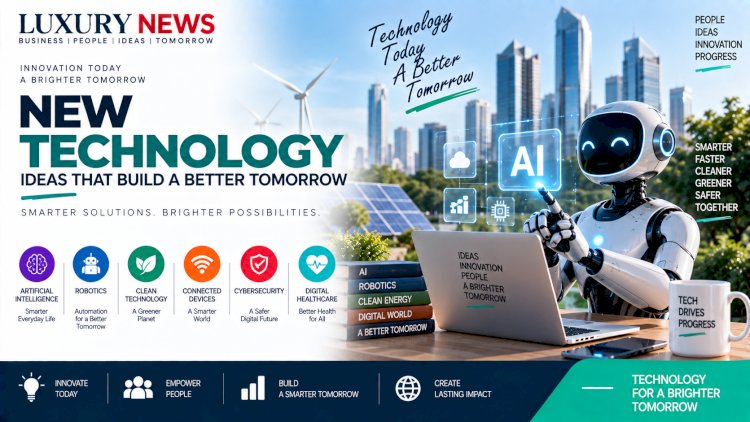
Technology is changing rapidly, with artificial intelligence, robotics, advanced computing, digital healthcare, smart devices and clean technologies becoming increasingly important across businesses and everyday life. New developments are also changing how people work, learn, communicate and access services.
Artificial Intelligence Moves Into Everyday Use
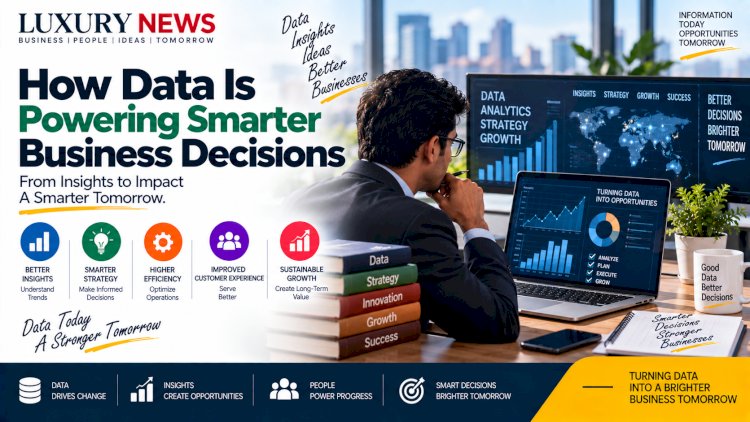
Artificial intelligence is becoming part of more products and services. Businesses are using AI for customer support, data analysis, content creation, software development, fraud detection and workflow automation.
AI-powered assistants are also helping users search for information, organise tasks and analyse documents. As adoption grows, businesses are placing greater emphasis on accuracy, privacy, security and responsible use.
AI Agents and Automation
A growing area of technology is the development of AI agents that can perform multiple steps to complete a task rather than simply responding to a single question.
Businesses are exploring these systems for areas such as:
- Customer service
- Sales support
- Data analysis
- Software development
- Business administration
- Research
- Workflow management
Human oversight remains important, particularly when automated systems are making decisions that could have significant consequences.
Robotics Is Expanding
Robotics is moving beyond traditional factories. Companies are developing robots for logistics, warehouses, healthcare, agriculture, manufacturing and other specialised applications.
Advances in AI, computer vision and sensors are helping robots operate in more complex environments.
Smarter Devices and Connected Technology
Smartphones, watches, vehicles, home appliances and industrial equipment are increasingly connected to digital networks.
The combination of sensors, cloud computing and AI allows devices to collect information and respond to changing conditions. This technology is being used in areas ranging from smart homes to industrial monitoring.
Digital Healthcare
Technology is also changing healthcare delivery. Telemedicine, wearable devices, digital health records and AI-assisted analysis are creating new ways for patients and healthcare professionals to access and manage information.
These technologies can improve convenience and access, although privacy, cybersecurity and regulatory requirements remain important considerations.
Clean Technology and Energy Innovation
The technology sector is also contributing to the transition toward cleaner energy. Electric vehicles, battery storage, solar power, smart electricity networks and energy-management systems continue to receive attention from businesses and governments.
Improving battery technology and charging infrastructure could influence the future development of transportation and energy systems.
Cybersecurity Becomes More Important
As more services move online, cybersecurity is becoming increasingly important. Organisations face risks involving data theft, fraud, ransomware, identity attacks and other forms of cybercrime.
Companies are investing in stronger authentication, encryption, monitoring systems and employee awareness programmes to protect digital assets.
Technology and the Future of Work
Automation and AI are changing workplace requirements. Some repetitive tasks can increasingly be handled by software, while demand is growing for skills involving technology, data, communication, creativity and problem-solving.
Continuous learning is therefore becoming an important part of professional development.
What Comes Next?
The next phase of technological development is likely to involve greater integration between AI, robotics, connected devices, advanced computing and digital infrastructure.
For businesses, the challenge will not simply be adopting the newest technology. It will be choosing tools that solve genuine problems, improve efficiency and create value while managing security, privacy and operational risks.